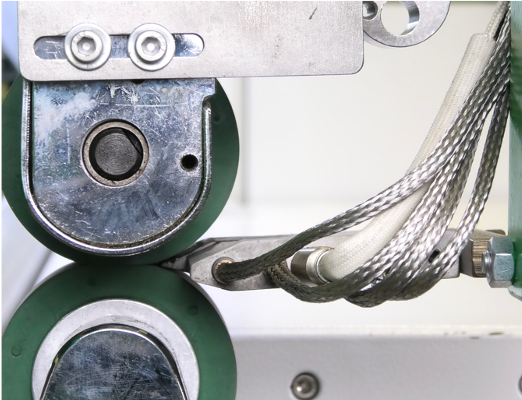
工業用ホットウェッジ溶接 は、溶着ポイントに正確に配置された加熱ウェッジを使用し、熱可塑性素材を溶着します。二重圧力ローラーを使用して、材料またはフィルムは、加熱されたくさびを横切って引っ張られ、長持ちする継ぎ目を作ります。
工業用熱風溶着技術と組み合わせることが多いホットウェッジ溶着は、コストを削減し、効率を高め、製品全体の品質を向上させます。どちらも、熱可塑性プラスチック素材を接合し、気密および水密の継ぎ目や、曲線および直線の継ぎ目を作り、丈夫で耐久性のある製品を作ります。
産業用ホットウェッジ溶接は、製造業者に紛れもない利点をもたらしますが、ある用途が他の用途よりも優れている場合もあります。ホットウェッジ溶接ソリューションに投資する時期かどうかを判断するために、主な利点や用途などを以下にまとめました。
このガイドの内容:
- How hot wedge welding works
- Top benefits of hot wedge welding
- Hot wedge welding applications
- Which materials can be hot wedge welded?
- Hot wedge welding vs. sewing, adhesives, and RF
- Tips for strong hot wedge seams
- Choosing the right hot wedge technology
- よくある質問
ホット・ウェッジ溶接の仕組み
Hot wedge welding joins two layers of thermoplastic fabric or film with heat and pressure, without thread, needle holes, or adhesives. It happens in three steps:
- Heat: A heated metal wedge sits between the two layers and softens both surfaces by direct contact.
- Press: Pressure rollers right behind the wedge press the softened surfaces together and pull the material through the machine.
- Cool: The seam cools and sets into one airtight, watertight bond.
Because the heat comes from direct contact rather than moving air, hot wedge welding delivers steady heat and runs quietly. Seam quality depends on three settings working together: wedge temperature, travel speed, and roller pressure. See how temperature, speed, and pressure affect PP and PE seams.
ホットウェッジ溶接のメリット
Industrial hot wedge welding technology offers specific benefits, dependent on each application. However, this technology is designed to increase production speed, enhance quality and improve overall consistency of products, specifically those that require a long, straight seam.
Consider the following benefits of an industrial hot wedge welding solution
- 製品の寿命を延ばす 気密性、水密性の高いまっすぐな継ぎ目を作り、溶接された製品や材料の寿命を延ばします。
- 非常に厚い生地で製品を作る。 何層もの素材を溶接して頑丈な製品を作る。
- より静かな作業環境を実現 製造工程での機器使用時に発生する騒音を除去します。
- Higher speed. Weld at up to 21 m/min (69 ft/min), depending on the machine, material and seam.
トップ ホットウェッジ溶接技術の用途
工業用ホットウェッジ技術は、フィルム、コーティング素材、ラミネート素材、または長くてまっすぐな継ぎ目が必要な素材を使った製品を作る際によく使用されます。ホットウェッジ技術の恩恵を受ける製品のサイズや厚みは様々ですが、頑丈で長持ちする素材という目的は同じです。
ホット・ウェッジ溶接技術を使用することで最も恩恵を受けることが多い製品は、以下の通りである:
ホット・ウェッジ技術で溶接可能な材料は?
溶着のニーズを評価する際には、ホット・ウェッジ 溶着技術を使って溶着可能な素材かどうかを判断する ことも重要です。工業用熱可塑性繊維およびフィルムは、通常、以下のようなホット・ウェッジ溶接に最適です:
- ポリウレタン(PU)
- ポリプロピレン(PP)
- ポリ塩化ビニル(PVC)
- ポリエチレン(PE)
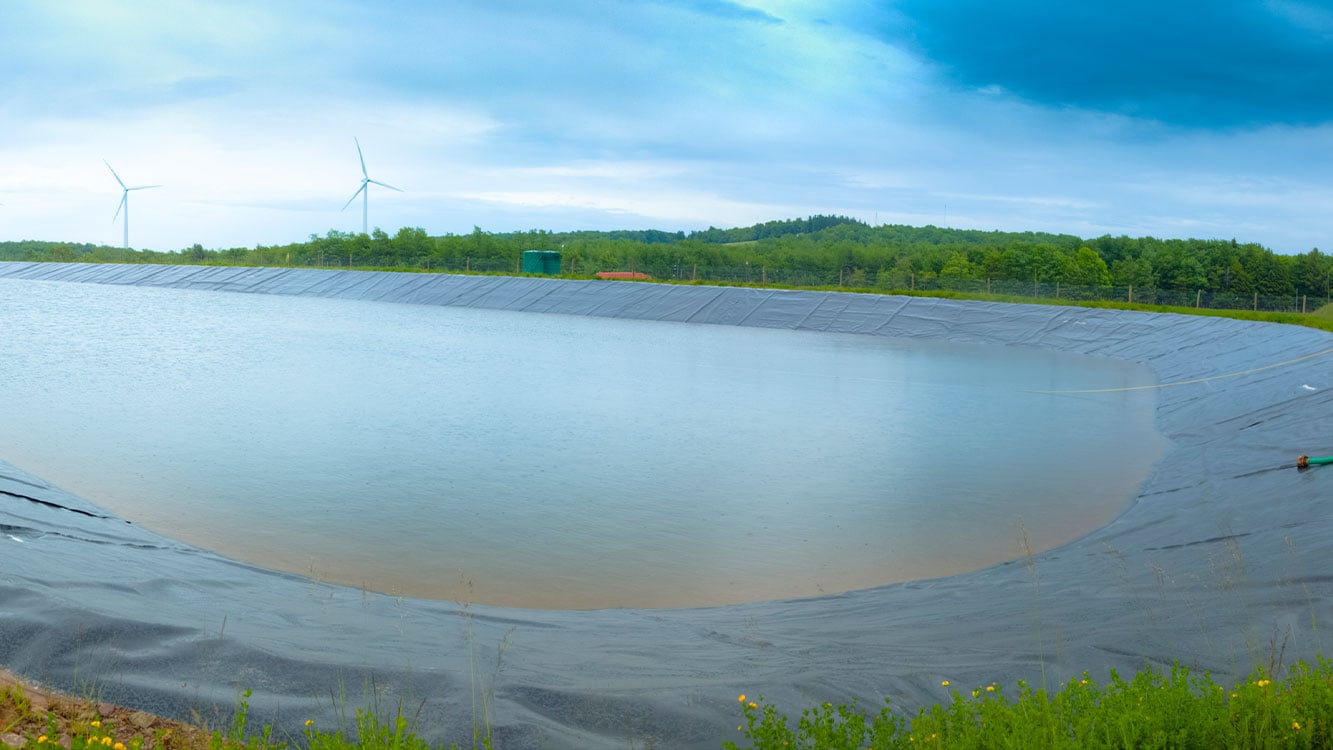
Hot wedge welding is generally not suitable for nonwoven geotextiles. For pond, landfill, and containment liners, see hot wedge welding for geomembranes and liners.
Hot Wedge Welding vs. Sewing, Adhesives, and RF
Here is how hot wedge welding compares with other ways to join industrial fabrics:
| 方法 | Strengths | Limits |
|---|---|---|
| ソーイング | Familiar, low upfront cost | Needle holes can leak, and thread wears over time |
| Adhesive bonding | Works on complex shapes | Curing time slows production |
| RF welding | Complex patterns and selective bonding in PVC and polyurethane | Only RF-suitable materials; higher equipment cost |
| ホットウェッジ溶接 | Fast, airtight, watertight seams; cost-effective for long, straight seams and large-format materials | Needs welding equipment; best suited to straight seams |
Choosing between the two most common heat welding methods? Compare hot wedge vs. hot air welding.
Tips for Strong Hot Wedge Seams
Prepare the Material
- Clean: Remove dirt, dust, and oil that could interfere with bonding.
- Align: Line up the fabric layers so the seam runs straight and even.
- Test: Weld samples to find the right temperature and speed before production.
Fine-Tune the Process
- Adjust for thickness: Thicker materials usually need slower speeds and more heat.
- Keep pressure even: Even roller pressure gives a uniform seam.
- Check as you go: Inspect seams during production to catch defects early.
Avoid Common Mistakes
- Wrong temperature: Too much heat damages the material; too little leaves a weak bond.
- Skipped maintenance: Clean and inspect the wedge and rollers regularly.
- Too little training: Well-trained operators make fewer errors.
貴社のプロセス、製品、用途に適したホットウェッジ技術を決定する方法
適切な産業用ホット・ウェッジ・ソリューションを見つけるには、材料、既存のプロセス、現在の設備など、さまざまな要因に左右されます。利用可能な技術オプションを吟味する際には、経験豊富な工業用溶接の専門家と緊密に協力して、お客様の目標を達成し、ソリューションをカスタマイズしてください。
審査プロセスにおいて、以下の技術オプションを検討する:
- T3 Extreme.このウェルダーは、バナーや看板製作に必要なすべての縫い目を作ることができ、小規模なビジネスを念頭に置いて設計されています。
- T300 エクストリーム・フレックスユニバーサル溶接機として、このテクノロジーはホット・エアおよびホット・ウェッジ・テクノロジーを使用し、さまざまなシームタイプに対応します。
- T300エクストリームシェード。 この溶接機のわかりやすい設計により、一貫した簡単な製品作りを制御します。
- T600 Extreme Flex.この技術では、効率的でわかりやすい設計と制御により、一貫性のある簡単な製品作りを実現するために、さまざまなシームタイプと拡張ファブリックハンドリングサポートを備えた熱風または熱間ウェッジ溶接ソリューションを使用しています。
- Triad Extreme Universal. A portable hot wedge welder that runs at about 10 m/min (33 ft/min) and welds either stationary or traveling on a tabletop track.
技術オプションを評価する際には、自分自身と製造パートナーに次のような質問も投げかける:
- 熱間ウェッジ溶接が可能な熱可塑性素材にはどのようなものがありますか?
- ホットウェッジ溶接ソリューションは、既存の設備で使用できますか?それとも完全なオーバーホールが必要ですか?
- 長くてまっすぐな縫い目は必要ですか?
- 私の製品アウトプットの目標は?
- 製品にフィルムは含まれていますか?
- 製造工程で発生する騒音を減らしたいのですか?
- 製造プロセス(オートメーション、熱風、ホットウェッジ)を増幅するために、複数の技術を組み合わせる必要があるか?
産業用ホットウェッジ技術についてもっと知りたいですか?
ホットウェッジ溶接ソリューションの詳細についてご興味がおありですか?お客様の用途に最適なシステムの詳細については、 Miller Weldmaster の専門家にご相談ください。