Industrial sewing is a manufacturing process that uses heavy-duty machines designed for continuous production—not craft or apparel work. These machines are built to handle technical fabrics, multi-layer materials, and high-throughput environments where consistency, durability, and repeatability matter. Over the decades, the industry has seen significant evolution, resulting in advanced machine features and more versatile equipment to meet the changing demands of industrial applications.
This technology serves manufacturers across filtration, sign finishing, awnings, shelters, and other industrial fabric applications—along with production engineers evaluating automation and seam performance. Modern industrial sewing machines are built for heavy-duty technical fabrics such as canvas, coated textiles and multi-layer materials.
60秒でわかる工業用ミシン
- 工業用縫製では、熱や融着ではなく、糸を用いた機械的な縫い合わせによって縫い目を作ります。
- ろ過、看板、日よけ、および工業用繊維の製造において広く使用されています。
- 溶接とは異なり、縫製は熱可塑性材料を必要とせず、より幅広い素材に対応できるため、綿やキャンバスなどの素材に適しています。
- これらの機械は、プログラム制御と精密な縫製機能を備え、連続運転による生産用に設計されています。
- Miller Weldmaster 、アパレル生産ではなく、工業用縫製ソリューションMiller Weldmaster 、特に機能性ファブリックの用途に合わせて設計されています。
産業用縫製技術とは何か?
Industrial sewing technology refers to high-duty-cycle machines engineered for production environments. These systems use servo-driven motors, programmable stitch control, and continuous operation to deliver consistent seams at scale—far beyond the capabilities of domestic or commercial sewing machines.
接合の観点から見ると、工業用縫製は糸を用いて機械的な結合を形成するのに対し、布地溶着は分子レベルで熱による融合結合を生み出します。適切な方法は、素材や縫い目に求められる性能(強度、柔軟性、あるいは不透水性など)によって異なります。
At Miller Weldmaster, industrial sewing is applied specifically to technical and industrial fabric applications such as filtration systems, signage, awnings, and shelter structures. Industrial machines are selected for their power and ability to handle a wide range of technical fabrics.
工業用ミシンの仕組み
工業用ミシンは、体系化された生産プロセスに従って動作します。具体的には、生地がミシンに送り込まれ、針が生地に刺さり、縫い目が形成・固定され、糸の張力が調整され、余分な糸が切り落とされます。送り歯は、生地をミシン内へ送り込む上で極めて重要な役割を果たしており、縫い目の形状は、縫い目の長さや種類といったミシンの設定によって左右されます。各工程は、生産現場における速度と再現性を考慮して設計されています。
現代のミシンは、従来のクラッチモーターに代わってサーボモーターを採用しており、これにより、精密な速度制御、低消費電力、静かな動作、そして重い生地や重ねた生地のスムーズな処理が可能になっています。押え足の調整機能や、ニードルフィードやボトムフィードといった高度な送り機構により、さまざまな生地に対応し、安定した縫い目品質を確保します。
Programmable stitch pattern storage transforms sewing into a scalable production tool—allowing rapid changeovers, consistent seam output, and reduced reliance on operator skill. Compared to traditional manual operation, automated systems significantly reduce manual intervention, increasing efficiency and consistency.
工業用縫製で使用されるステッチの種類
- Lockstitch: The most common industrial stitch, using a top and bottom thread to form a strong, consistent stitch. Widely used in filtration bag construction and structural seams.
- Chainstitch: A flexible stitch that allows movement and stretch, ideal for shelter panels and applications where material expansion is expected.
- Overedge (serging): A stitch that finishes raw edges while preventing fraying, commonly used in banner hems and textile finishing.
ステッチの種類は機能的な判断によるものであり、ミシンの選定を始める前に、縫い目の強度、柔軟性、仕上げの要件に基づいて決定されます。
自動化レベル:半自動と全自動
半自動機は、素材の位置決めや縫い目の方向をオペレーターが調整する必要があるため、看板仕上げ工場のように、生産ロットが多様で製品のサイズが頻繁に変わる現場に最適です。
全自動システムは、オペレーターの操作を最小限に抑えながらプログラムされた縫い跡を実行するため、フィルターバッグの製造など、大量かつ反復性の高い生産に最適です。
例えば、ある製品を大量生産するろ過装置メーカーにとっては完全自動化が有利である一方、オーダーメイドのバナーを製作する工房にとっては、半自動化による柔軟性が有利となります。
工業用ミシンの種類
Industrial sewing machines are selected based on stitch type, material characteristics, and seam geometry—not price tier or brand category. Thick, heavy and multi-layer technical fabrics need machines with reinforced components and powerful motors. Miller Weldmaster machines are purpose-built for technical fabric production, which directly shapes their configurations and capabilities.
Machine bed style also matters: flat bed machines handle wide or flat materials, cylinder bed machines let tubular items rotate around the bed, and long-arm machines provide a large workspace for heavy-duty stitching on large items like sails and tents.
Depending on their specifications, industrial sewing machines handle materials from lightweight synthetics to heavy coated and multi-layer fabrics.
ロックステッチミシン
Lockstitch machines create a two-thread interlocking seam that is strong, consistent, and widely used in industrial fabric applications. They are commonly specified for filtration bags, awning panels, shelter flooring, and CIPP liners.
主な設定項目には、針のサイズ、糸の太さ、およびテンションの調整が含まれます。特に、コーティング加工された素材と未加工の素材を扱う際には、これらの設定が重要です。
オーバーロックミシンおよび安全ステッチミシン
Overedge machines sew along the material edge, preventing fraying and producing a finished seam in a single pass. This makes them essential for sign finishing, SEG fabric applications, and banner production.
セーフティステッチミシンは、1回の縫い工程でロックステッチとオーバーエッジステッチを同時に行うことで、必要な箇所に構造的な強度と縁の仕上げの両方を施します。
自動パターン縫製システム
Pattern sewing systems execute programmed, multi-directional stitch paths automatically—without operator repositioning. These systems are used for bartacking, reinforcement stitching, and complex seam geometries.
For example, automated bartacking reinforces webbing on filtration bags, while pattern stitching strengthens awning corners. Stored stitch programs let one system switch between product types quickly.
How to Choose the Right Industrial Sewing Machine for Your Application
Machine selection starts with the seam—not the machine. Stitch type, material, and seam geometry determine the correct configuration before speed or cost should be considered. It is also essential to evaluate the features of each machine, such as stitch range, speed, and safety options, and to ensure the equipment suits the specific fabrics involved, such as coated textiles, canvas, non-woven felts and multi-layer materials.
Installation, operator training, service and spare parts access are also important considerations in the selection process.
ステップ1 — ステッチの要件を定義する
ステッチの種類は、その縫い目が果たすべき役割――荷重を支える、伸縮性を確保する、ほつれを防ぐ、あるいは縁を仕上げる――によって決まります。この決定が、最初からミシンのカテゴリーを決定づけます。ステッチの形状も極めて重要であり、適切なステッチ形成によって縫い目の強度と品質が確保されるからです。柔軟性が求められる用途では、切れることなく伸びる特性を持つチェーンステッチがよく用いられます。
ステップ2 — 材料に合わせた送り機構の選定
生地の種類と厚さによって、送りシステムが決まります。工業用生地を扱う場合、多くの場合、ウォーキングフットやニードルフィード機構が必要となります。標準的なドロップフィードシステムでは、縫い目の不具合が生じる恐れがあります。送り歯は生地をミシン内へ送り出す上で極めて重要な役割を果たしており、押え足の圧力を調整することで、特に様々な素材や多層生地を扱う際に、安定した送りと最適な縫い目品質を確保できます。
ステップ3 — 自動化レベルを設定する
生産量と生産の安定性が、自動化の判断基準となります。大量かつ反復性の高い製品には完全自動化が適していますが、生産内容が多様である場合は、半自動化による柔軟性が求められます。自動化により手作業による介入の必要性が減り、生産の安定性と効率が向上します。
ステップ4 — 生産ラインへの統合の評価
Consider how the machine fits into your full production line—including cutting, conveying, and finishing. Miller Weldmaster machines are designed for seamless integration or standalone operation.
工業用ミシンと生地溶接:どちらの方法が用途に適しているか?
縫製も溶接も、柔軟な素材に継ぎ目を作る点では共通していますが、適切な方法は素材の種類、継ぎ目の機能、および生産要件によって異なります。Miller Weldmaster 両方のMiller Weldmaster 、製品ではなく用途に基づいて最適な提案を行うことが可能です。また、縫製と溶接のどちらの方法を採用するかを選択する際には、設備投資や継続的な運用コストを含む費用も重要な検討要素となります。
| 工業用ソーイング | 布地溶着(熱風、ホットウェッジ、高周波) | メーカーが両方を使用する場合 |
| 糸を使用した機械縫い | 分子レベルでの熱融着 | 強度と気密性の両方が求められるハイブリッド製品 |
| 非熱可塑性樹脂や積層材にも適用可能 | 熱可塑性樹脂が必要 | 例:溶接パネルに縫製補強を施したもの |
| 柔軟で補修可能な縫い目 | 気密・防水性の高い継ぎ目 | 構造要件とシーリング要件の統合 |
| 複雑な組立に最適 | 起毛加工やコーティング加工された生地に最適です | 多工程生産ライン |
工業用ミシンの用途:この技術が活用されている分野
Industrial sewing is required when materials are non-thermoplastic, when seam geometry is complex, or when assembly cannot be achieved through welding. This makes it essential across many technical fabric applications.
Miller Weldmaster 、アパレルではなく、産業用および工業用テキスタイルMiller Weldmaster 、実際の生産ニーズに即したソリューションを提供しています。
一般的なアプリケーション
- サイン加工とデジタルテキスタイル:SEGヘミング、バナー加工、プリントテキスタイルの縫い目処理
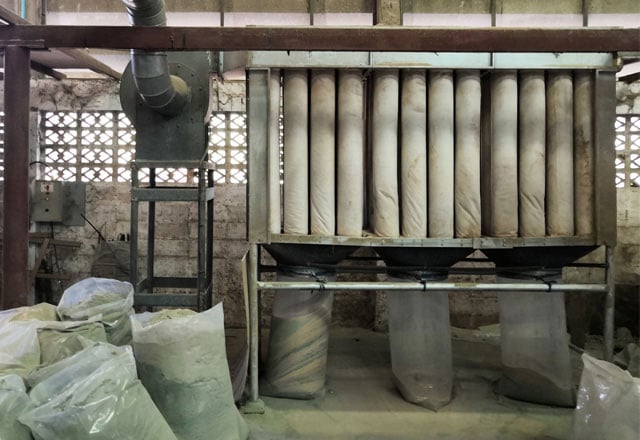
- ろ過:フィルターバッグ、集塵システム、チューブソック構造
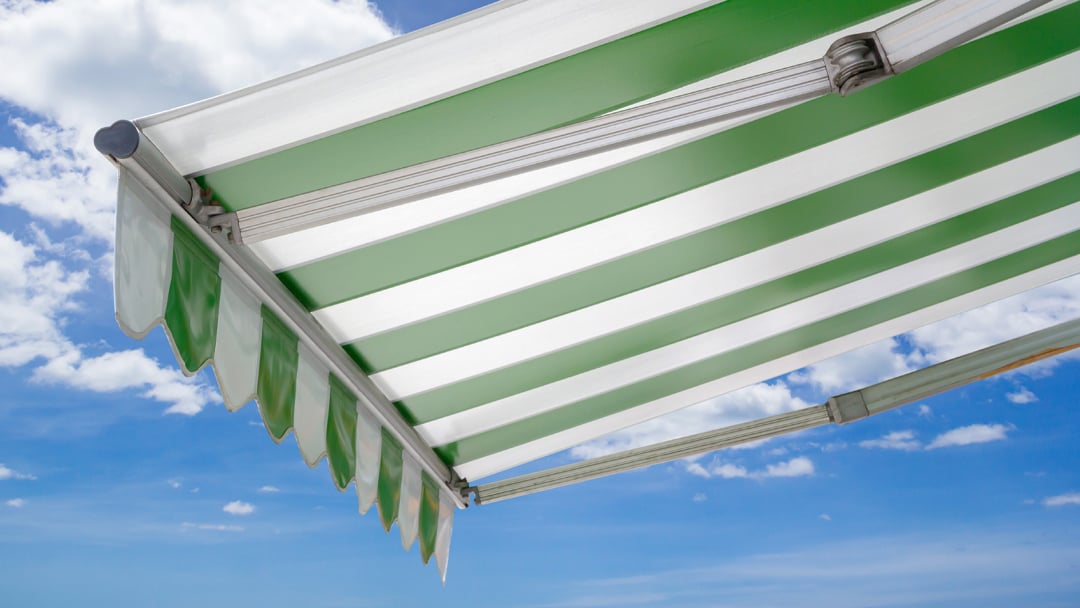
- Awnings and shade structures: Panel joining, rope pockets, reinforcement stitching
- テントおよびシェルター:構造用縫い目、ドアの組み立て、多パネル構造
- 工業用繊維製品:CIPPライナー、コンベアカバー、特殊繊維システム
Miller Weldmaster Automatic Sewing Machines
Miller Weldmaster builds automated sewing systems for sign finishing, filtration and cured-in-place pipe (CIPP) production. A certified field service engineer installs each machine at your facility and trains your staff to operate and maintain it.
DigiTran Automated Sewing Machine
The DigiTran automated sewing machine is a complete sewing solution for the sign industry, built to sew digital textiles with silicone edge graphics (SEG). A conveyor synced with a Dürkopp Adler sewing head moves the material, with hands-free SEG feeding and cutting, programmable back stitch, and single or double lockstitch at up to 10 m/min, depending on the application, seam width and material. It is also used for awnings, banners, gym curtains, marine products, mattresses, pergolas, and shades and tension structures.
自動フィルター縫製システム
The automated filter sewing system adds sewing to a filter tube line, so filtration tubes can be sewn or welded automatically. Miller Weldmaster works with many brands and models of sewing machines and takes each system from initial design to final integration. Typical uses include filtration, tubes and aerospace applications.
CIPP Single or Double Layer Tube Machine
For cured-in-place pipe rehabilitation tubes, the CIPP single or double layer machine sews or welds a roll of fabric into a tube, then applies tape with hot air over the sewn seam to make it waterproof. It can sew or weld two layers at once: non-woven felt on the inside and felt coated with PVC, polyurethane, polyethylene or polypropylene on the outside.
CIPP Double Tube Sewing システム
The CIPP double tube sewing system is built for CIPP tube production: flat sheet material and a pre-made tube feed in from existing equipment, and the pre-formed tube is sewn together with a prayer seam.
Choose Miller Weldmaster for Your Industrial Sewing Machine Needs
Miller Weldmaster 、テクニカルファブリックの用途で工業用縫製を必要とするメーカーとMiller Weldmaster ともに、溶接の方がより適切な解決策となる場合についても検討しています。
すべての案件は、お問い合わせから始まります。システムをご提案する前に、素材の種類、縫製要件、生産量、および自動化のニーズをすべて評価いたします。
当社を選ぶ理由:
- テクニカルファブリックの専門知識:産業用テキスタイル用途向けに特別に開発されました
- 縫製・溶接ソリューション:あらゆる布地接合技術に対応するワンストップパートナー
- 「アプリケーションファースト」のアプローチ:カタログではなく、お客様の業務ニーズに基づいたソリューション
- Comprehensive Support: On-site installation and staff training by a certified field service engineer, plus service, spare parts and the Service & Resolution Center to keep production running.
 詳細はこちら