Hot air welding technology utilizes specialized hot air welding machines that deliver controlled heated air at temperatures ranging from 700°F to 1,350°F combined with targeted pressure to create molecular bonds between thermoplastic materials. These advanced machines are central to the hot air welding technology process, enabling the formation of airtight, waterproof seams that often exceed the strength of the parent material itself.
This technology provides a comprehensive solution for thermoplastic joining, featuring various machine types and automation levels tailored to industry needs. Designed for professionals like manufacturing engineers and contractors, hot air welding machines improve production efficiency, weld quality, and long-term durability. Proper machine selection is essential to avoid issues such as inconsistent seam width, human error, and reduced product quality.
ホットエア溶接機と技術に関する主なポイント
- 熱可塑性樹脂において、強固で均一な溶接部を形成するには、温度、圧力、および速度の設定を精密に制御することが不可欠です。
- ハンドヘルド型から全自動型まで、さまざまな機種が、生産量や用途に応じた最適な機能を提供します。
- 自動化により、溶接効率が向上し、人的ミスが減少し、長期的な性能を維持するための均一な溶接ビード品質が確保されます。
- 多様な産業用途において、信頼性が高く、耐久性に優れ、気密性の高いシームを実現するには、適切な機械の選定とメンテナンスが不可欠です。
熱風溶接とは?
Hot air welding machines are precision equipment that create molecular bonds in thermoplastic materials through controlled application of heat and pressure. This welding process fundamentally differs from traditional metal welding by using heated air rather than electric arcs to achieve material bonding.
The core process involves directing a stream of heated air to the interface between two pieces of thermoplastic material. This heat softens the material surfaces until their molecular structure becomes mobile. Pressure rollers or manual application then compresses these softened surfaces together, creating bonds that form an airtight, waterproof seam.
This technology matters because it produces professional results without adhesives, solvents, or mechanical fasteners. The resulting joints demonstrate superior durability and can withstand demanding environmental conditions across many applications. For a step-by-step look at the process, see our guide to how hot air welding works.
主要構成要素と動作
発熱体は、さまざまな材料や厚みの違いにかかわらず、安定した溶接を行うために不可欠な精密な温度制御を実現します。送風システムには圧縮空気機構が組み込まれており、加熱された空気を専用のノズルから送り出し、溶接箇所に集中的に当てます。加圧機構には、モーター駆動のローラーや手動ツールなどが含まれ、溶接工程中に均一な接触を確保します。
これらの構成要素が連携して、高品質な溶接に不可欠な精密な温度・圧力制御を実現します。最新の溶接機にはデジタル制御機能が搭載されており、最適な溶接パラメータの設定において、経験頼りの作業を排除し、人為的なミスを低減します。
温度・圧力制御システム
Advanced control systems feature programmable settings that store optimized parameters for different thermoplastic materials including polyurethane, PVC, and TPO membranes. Temperature monitoring ensures consistent heat application while pressure regulation maintains uniform seam formation.
Automatic welders with digital controls can achieve efficiency levels impossible with purely manual processes while maintaining the ability to adjust parameters for specific manufacturing requirements.
熱風溶接機の種類
手持ち式熱風溶接トーチ
Handheld hot air welders are portable tools with variable temperature and airflow controls for detail work, field repairs, complex geometries and tight spaces. Miller Weldmaster’s EliteAir Industrial hot air welder weighs 2.4 lb (1.1 kg), reaches up to 1,202°F (650°C) and runs on 120–220 VAC for in-house or in-the-field repairs of industrial fabrics such as tarps, signs, inflatables, geomembranes and tension structures.
Manual hot air welders excel in applications requiring operator precision and flexibility. Their portability makes them ideal for on-site installation work and repair jobs where larger equipment cannot reach. However, the manual process requires skilled workers to maintain consistent speed and pressure for uniform results.
半自動溶接システム
These systems combine motorized movement with operator control, delivering consistent speed settings while maintaining manual oversight capabilities. The automation eliminates inconsistencies in travel speed while allowing workers to adjust pressure and monitor weld quality in real-time.
Unlike handheld units, semi-automatic machines provide enhanced consistency through mechanized movement control. This approach benefits medium-volume production requiring a balance of flexibility and repeatability without the complexity of fully automated systems.
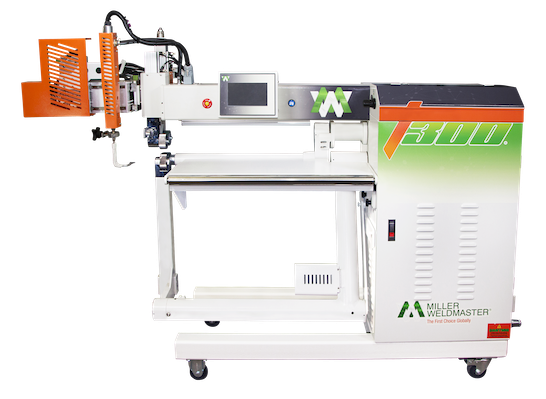
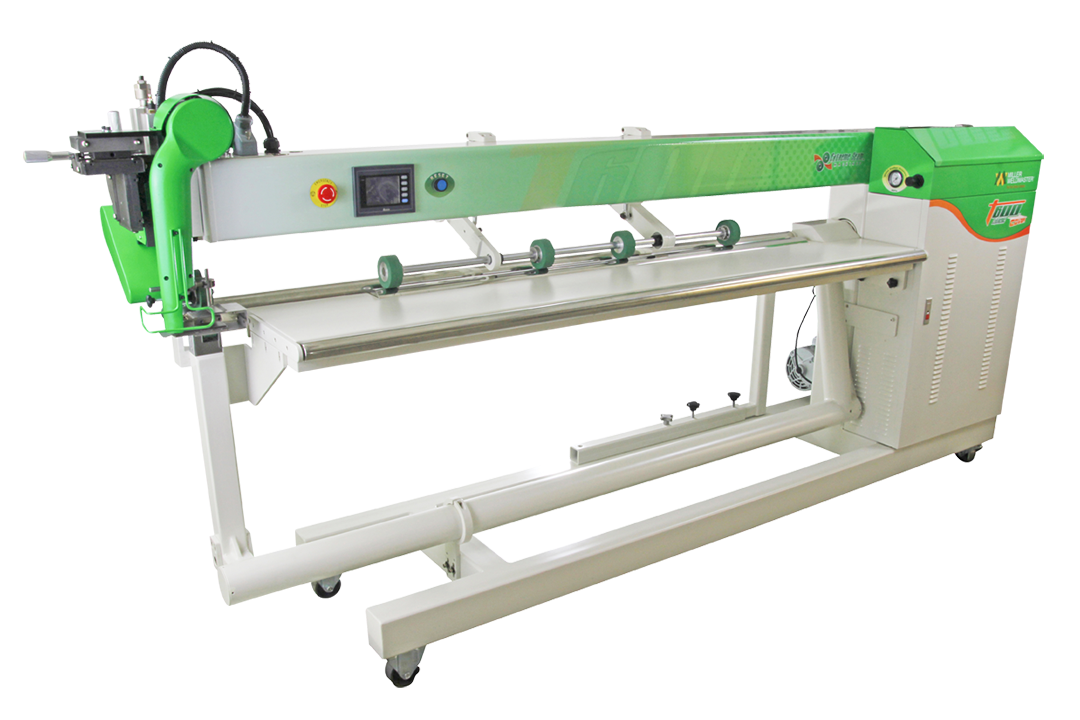
Miller Weldmaster’s entry-level machines weld at 8–14 m/min; its standard full-size machines store recipes for quick setting recall and weld at up to 35 m/min. The T300 Flex, its most universal welder, combines hot air and hot wedge welding with an array of seam types at up to 30 m/min (100 ft/min).
自動溶接機
Fully automated systems feature programmable controls and high production efficiency. These purpose built machines store welding recipes for different materials and automatically adjust temperature, pressure, and speed settings.
Mass manufacturing applications benefit from reduced operator error and precise temperature and alignment control. The automation level achieves consistent seam width and eliminates variations that can lead to quality issues in high-volume production.
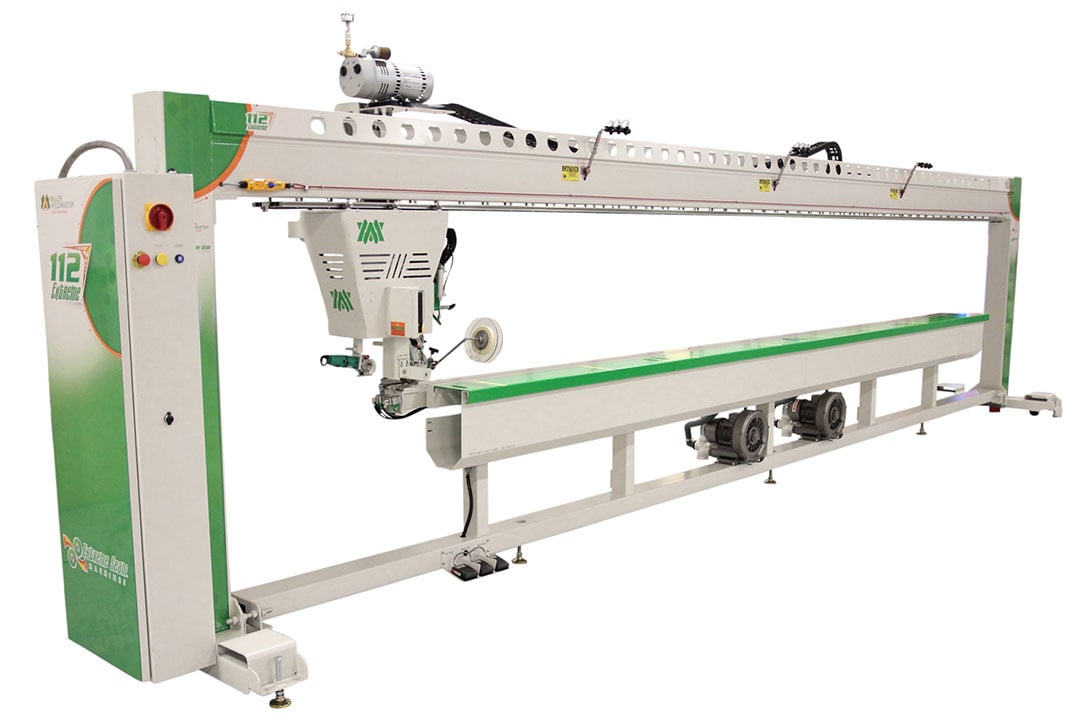
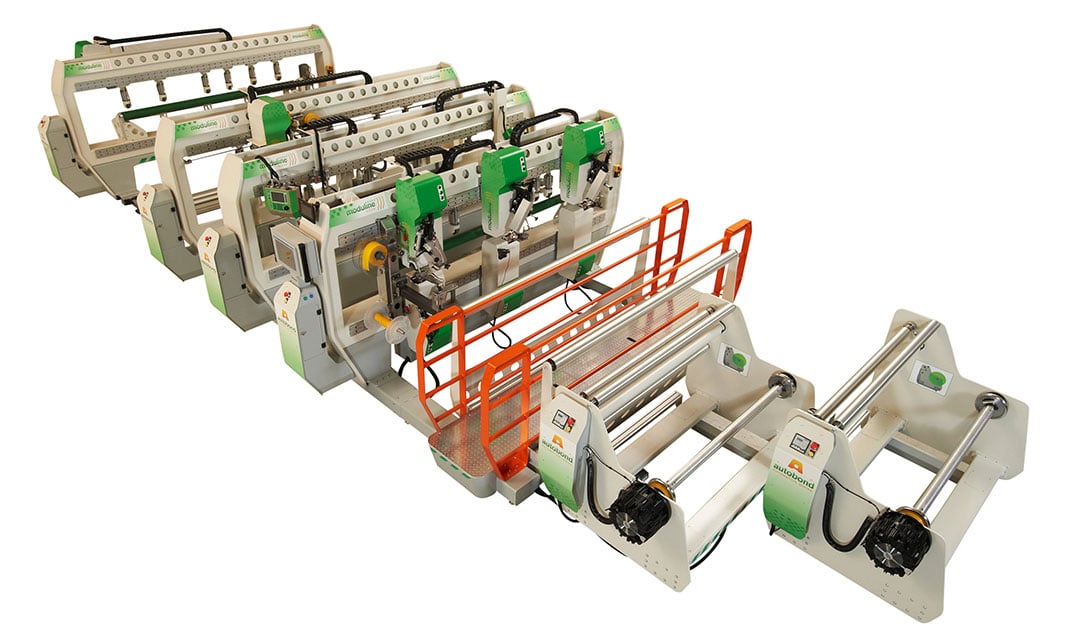
Miller Weldmaster’s automated welding machines are custom built. They can weld multiple rolls of material at once and combine welding with gluing, sewing, grommeting, printing, visual inspection and cutting, controlled from a PLC touch screen with recipe storage; the Moduline System, for example, automates tarp and cover production. Miller Weldmaster reports that most of its automation customers see a return on investment in under two years.
専用機器
Some hot air welders are built for one product family. Miller Weldmaster’s specialized machines include the TG3600 for geomembrane liners and covers, the FX100 for flexible reinforced ducting and tubing, the BT2000 for flexible storage tanks and bladders, the HG50 banner finishing machine, which welds, grommets and cuts in a single station, and the Calibration Tube System for cured-in-place pipe. These specialized systems address specific industry requirements that general-purpose machines cannot efficiently handle.
産業用途および熱風溶接機の選定ガイド
Building on the machine types available, successful implementation requires aligning each machine’s capabilities with the specific demands of your production environment. This includes evaluating how well the equipment supports your materials, workflow, and workplace conditions to ensure long-term performance.
ステップバイステップ:熱風溶接機の選定手順
Step 1 — Material Compatibility Assessment
使用する材料の熱可塑性樹脂の種類、厚さの範囲、および温度要件を特定してください。機器を購入する前に、さまざまな温度設定で溶接試験を行い、適合性を確認してください。
Step 2 — Production Volume Analysis
製造スループットのニーズに最も適しているのは、手動、半自動、あるいは自動システムのいずれかを見極めましょう。現在の生産能力と将来の拡張要件の両方を考慮してください。
Step 3 — Workplace Requirements Evaluation
可搬性の要件、利用可能な電源、圧縮空気の供給状況、および作業スペースの制約を評価してください。また、安全要件やチームのオペレーター研修体制も考慮に入れてください。
Step 4 — Feature Prioritization
品質基準や効率目標に基づき、必要な制御機能、ノズルオプション、および自動化レベルを選択してください。また、メーカーによるサービスサポートやスペアパーツの入手可能性についても検討してください。
熱風溶接機の比較:手動式と自動式
手動システムと自動システムのどちらを選ぶかは、生産量の要件や品質の安定性に対するニーズによって決まります。手動システムは柔軟性が高く初期コストも抑えられますが、プロ並みの仕上がりを実現するには熟練した作業員が必要です。一方、自動システムは優れた効率性を発揮し、人為的ミスを排除できますが、より多額の設備投資と継続的なメンテナンスが必要となります。
適切な設備を選定したとしても、作業員は溶接品質や生産効率に影響を与える課題に頻繁に直面します。
| 特徴 | 手動処理 | 自動溶接機 |
| 生産速度 | Depends on the operator | Up to 35 m/min (115 ft/min) on Miller Weldmaster full-size machines |
| 初期投資 | Lowest (handheld tools) | Higher; fully automated systems are custom built |
| オペレーターのスキルが必要 | 高度な専門知識が必要 | 基礎訓練で十分 |
| 一貫性 | 変動あり、作業員のスキルによる | デジタル制御による安定した結果 |
| メンテナンスの必要性 | 最小限の基本的な掃除 | Regular calibration and component replacement |
熱風溶接プロセスにおける一般的な課題と解決策
一般的な運用上の課題を理解することは、製造プロセス全体を通じて一貫した品質を維持し、設備の性能を最大限に引き出すのに役立ちます。
課題1:溶接品質のばらつき
解決策:設定値を記憶できるデジタル温度制御システムを導入し、チーム向けの包括的なオペレーター研修プログラムを確立してください。
温度の精度を確保するため、定期的に校正手順を実施する必要があります。また、品質監視プロトコルにより、生産に影響が出る前に逸脱を特定することができます。標準化された溶接手順を確立することで、オペレーターやシフト間のばらつきを低減し、全体的な品質を向上させることができます。
課題2:材料の適合性に関する問題
解決策:特定の熱可塑性樹脂の温度範囲を確認し、材料の厚さに適したノズルを選択した上で、本格的な生産を開始する前に試験溶接を行うこと。
材料の仕様はメーカーによって大きく異なるため、新しい材料を使用する際は毎回、溶接パラメータの検証が必要となります。互換性表は初期の温度設定の目安にはなりますが、最適なパラメータを確認する最も確実な方法は、実際に試験溶接を行うことです。
課題3:設備のメンテナンスと稼働停止時間
解決策:予防保全スケジュールを策定し、十分な予備部品を在庫として確保することで、生産の中断を最小限に抑えます。
定期的な清掃作業を行うことで、熱伝達や空気の流れに影響を与える可能性のある汚れの蓄積を防ぎます。稼働時間に基づいた部品交換スケジュールを策定することで、高額なダウンタイムや納期の遅延につながる予期せぬ故障を回避できます。
熱風溶接機およびその技術の用途
Hot air welding machines and hot air welding technology play a vital role across a wide range of industries and product applications where strong, durable, and airtight seams are essential. Their ability to create seamless bonds in thermoplastic materials makes them ideal for manufacturing products that require high performance and long-term durability. Whether in factory settings or on-site installations, these machines provide efficient and reliable solutions for joining sheets, membranes, and coated fabrics.
Common applications include industrial fabric fabrication, roofing membrane installation, and the production of inflatables and tarpaulins. The versatility of hot air welding technology allows it to accommodate various material thicknesses and seam widths, making it suitable for both small detail work and large-scale manufacturing processes. Additionally, portable hot air welders enable field repairs and maintenance, extending the usability of products and reducing downtime.
使用例
- Tarpaulins, covers and truck side curtains
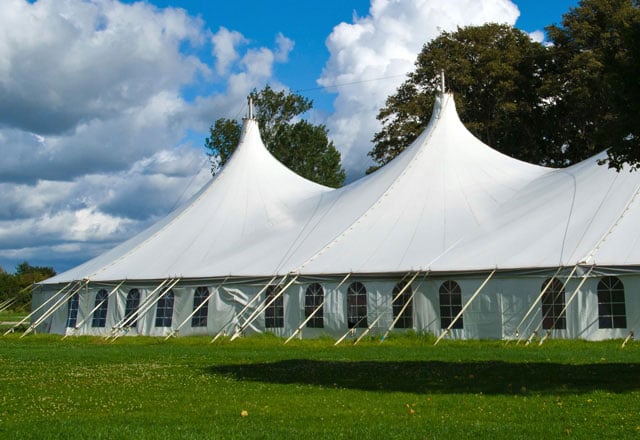
- Tents, shelters, structures and clear span buildings
- Banners, signs and billboards
- Awnings, shades, tension structures and pergolas
- Pool covers and pools
- Geomembrane liners and roofing membranes
- Flexible storage tanks and bladders
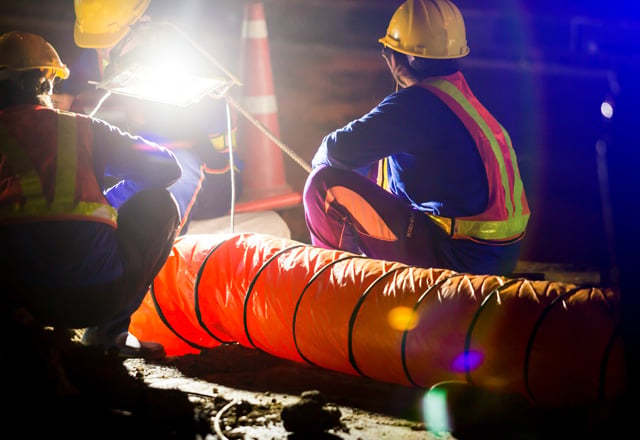
- Flexible ducting and tubes
- Inflatables, evacuation slides and containment booms
- Cured-in-place pipe and filtration tubes
- Agricultural and gym curtains, roller doors, mattresses and athletic mats
- On-site repairs with handheld welders
熱風溶接機をお探しのMiller Weldmaster をお選びください
Miller Weldmaster 熱風溶接機は、適切に選定・運用すれば、熱可塑性樹脂の接合用途において多用途なソリューションMiller Weldmaster 。Miller Weldmaster先進技術は、接着剤や溶剤を使用せずに耐久性があり気密性の高い接合を実現するという大きな利点があり、信頼性の高い接合性能が求められる業界において不可欠な存在となっています。
Miller Weldmasterの使い始め方
- Step 1: Define Your Requirements
Assess your material requirements and production volume needs with Miller Weldmaster’s expert guidance. - Step 2: Evaluate Your Workspace
Evaluate workspace constraints and automation benefits tailored to your application by Miller Weldmaster specialists. - Step 3: Connect with an Expert
Contact Miller Weldmaster equipment experts to discuss specific machine capabilities, request demonstrations, and receive personalized support to optimize your welding process.

 詳細はこちら