Acrylic fabric bonding is an industrial process that joins acrylic canvas, awning, and marine fabrics using heat-activated adhesive tape — creating seams that are stronger, more durable, and leak-resistant compared to traditional sewing.
Miller Weldmaster 、接着プロセスのあらゆる段階Miller Weldmaster アクリル生地の熱による挙動、生産量に適した溶着方法、縫製との比較、そして最も一般的な接着不良を防ぐ方法などです。小規模な日よけ専門店から大量生産ラインまで、ここで得られる情報は、お客様の購入判断に直結するものです。
Acrylic fabric cannot be thermoplastic-welded like PVC because it does not melt and re-fuse — bonding with heat-activated adhesive tape is required instead.
Hot air, hot wedge and impulse welding methods can all activate acrylic bonding tape to create strong, durable seams.
アクリル素材専用の縫い目は、糸の退色、針穴からの漏れ、糸の消耗といった、アクリルキャンバスを縫製する際に最もよく見られる3つの不具合を解消します。
プロセス制御(温度、圧力、機械速度)は、生産環境においてシーム強度と品質の安定性を左右する最大の要因である。
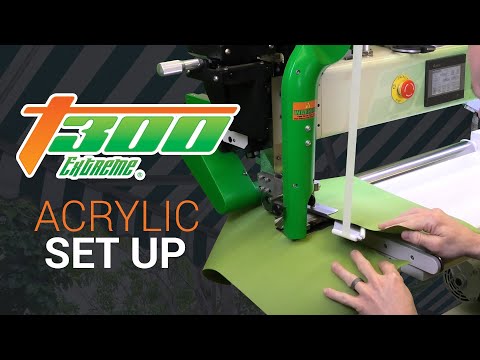
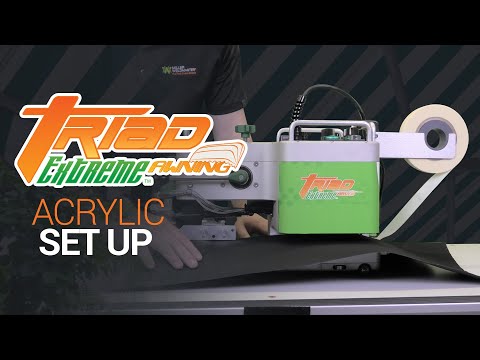
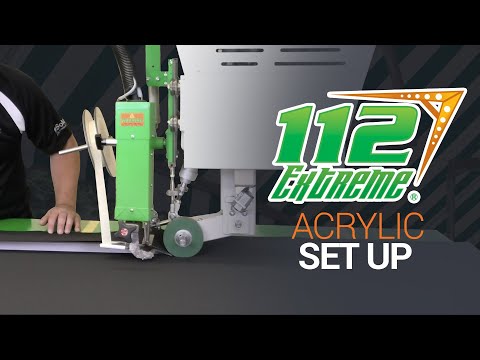
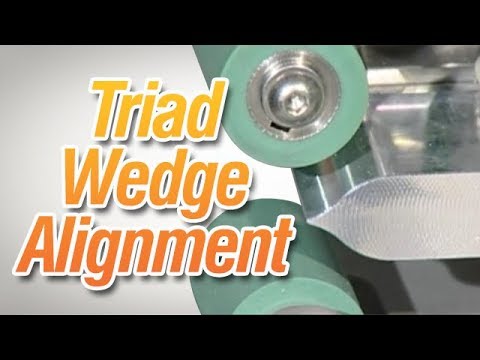
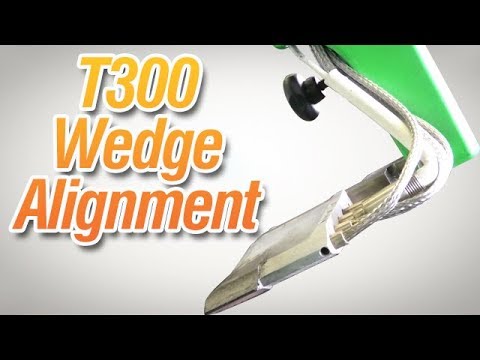
Miller Weldmaster 、T300 Extreme、Triad Extreme、112 Extremeなど、アクリル接着用に特別に調整された装置をMiller Weldmaster 。
アクリル生地の溶接とは?
The industrial process of permanently joining two or more pieces of acrylic fabric using a heat-activated adhesive tape, applied through a controlled welding machine. The result is a seam that is fully sealed, weather-resistant, and structurally superior to traditional sewn seams for most outdoor and marine applications.
Unlike PVC or polyurethane fabrics that melt and re-fuse under direct heat, acrylic fabric needs a heat-activated adhesive tape as the bonding agent — not raw heat — to create a permanent seam. Understanding this distinction is the starting point for anyone selecting a machine or setting process parameters for acrylic production.
なぜアクリル生地はPVCのように溶接できないのか
The core technical distinction: acrylic is a woven synthetic fiber, not a thermoplastic film. PVC and polyurethane fabrics melt under heat and re-fuse when pressure is applied — that is what direct thermoplastic welding exploits. Acrylic fabric does not behave this way. Apply direct heat without an adhesive and you risk glazing or scorching the surface without creating any seam bond. This is the most common misunderstanding buyers bring to the conversation, and it matters because it affects machine selection, tape selection, and every process parameter setting in production.
How Acrylic Adhesives Work
熱接着工程では、2枚のアクリル生地の間に、両面に強力な粘着剤が塗布されたラミネート粘着テープを挟み込みます。溶着機で熱を加えて粘着剤を活性化させ、接着ローラーとバーによる圧力をかけて接着を定着させます。生産のたびに、以下の手順に従ってください:
- Position laminated bonding tape between the two acrylic fabric pieces, fully seated within the seam allowance.
- Apply controlled heat via the welding method — hot air, hot wedge or impulse — to activate the adhesive at the correct temperature range for acrylic.
- Apply pressure through bonding rollers and bars to consolidate the seam and ensure full contact between the tape adhesive and both fabric surfaces.
- Allow cooling before handling to achieve full bond strength. Pulling a seam before it has cooled is one of the most common causes of weak seams.
Properties of Acrylic Fabric
アクリル素材は、その特有の性能から、日よけ、船舶、およびアウトドア製品の製造市場において高価格帯で取引されています。その価値の源泉となる特性こそが、適切な接着を不可欠なものにしているのです。アクリル製品において継ぎ目の不具合が生じれば、それは製造工程の問題にとどまらず、生地自体の性能にも影響を及ぼすことになるからです。
- 耐紫外線性:長時間の日光照射による色あせや表面劣化に強く、これがオーニングや船舶用ファブリックの製造業者がこの素材を採用する主な理由です。
- 吸湿速乾性:水分を吸収することなく表面から素早く逃がし、湿気の多い環境でも素材の形状を保ちます。
- 耐油性・耐薬品性:汚染物質が存在する産業用および船舶用環境においても、確実に機能します。
- 高い耐引張性と引張強度:オーニングのフレームや日よけ構造物にかかる張力を、伸びたりたるんだりすることなくしっかりと支えます。
- 屋外での耐候性:厳しい寒さの中での冬季保管から、夏の直射日光にさらされる状況に至るまで、極端な温度変化下でも構造的完全性を維持します。
Acrylic Fabric Bonding Methods: Comparing Hot Air, Hot Wedge and Impulse Welding
Choosing the right bonding method for acrylic fabric comes down to three variables: your production volume, your typical seam geometry, and the weight of the acrylic material you run. Each method activates the same heat-activated adhesive tape — what differs is how the heat is delivered and how fast the machine can move through a seam. The table below maps each method to the production context it serves best.
The most important thing to understand about the table below: none of these methods involve melting the acrylic fabric itself. Every row describes a mechanism for activating the adhesive tape. The fabric stays intact. The bond forms between the tape and the fabric surface, not between two fabric surfaces fused together.
Machine Settings for Acrylic Bonding: Temperature, Pressure, and Speed
Acrylic fabric requires a lower heat band than vinyl or PVC. The exact range depends on the specific acrylic blend and coating weight, but the guiding principle holds across materials: if you can see surface glazing on the fabric face, the temperature is too high. Reduce heat before increasing speed to compensate.
速度が重要なのは、接着点で生地が熱にさらされる時間(滞留時間)が、接着剤が吸収するエネルギー量を直接左右するからです。適切な温度設定でも速度が速すぎると、接着剤の活性化が不十分になります。逆に、適切な温度設定でも速度が遅すぎると、焦げ付きが生じる恐れがあります。この適切なバランスは、計算ではなく、テスト縫いによって見極める必要があります。
圧力の設定は、活性化された接着剤が生地の両面にどれだけ密着するかに影響します。圧力が弱すぎると、特に縫い目の端部分で接着が不十分になります。一方、軽量のアクリルキャンバスに過度な圧力をかけると、生地の織目が歪み、完成品に外観上の問題が生じる可能性があります。
新しい生地のロットで生産を開始する前、あるいは機械の設定を変更した後は、必ず同じ素材の端切れを使ってテスト縫製を行い、本番作業に入る前に剥離試験を実施してください。Miller Weldmasterアプリケーションスペシャリストが、お客様の使用する生地や機械のモデルに合わせた初期パラメータについてアドバイスいたします。
| 方法 | 仕組み | 最適な用途 | スピード | 主な考慮事項 |
|---|---|---|---|---|
| 熱風溶接 | Controlled hot air stream activates adhesive tape between fabric layers | ストレートシーム、中~大ロットのオーニング製造 | 中程度から速い | 温度管理が極めて重要 — 温度が高すぎるとアクリル表面にガラス化が生じる |
| ホットウェッジ溶接 | 加熱された金属製のウェッジが布層に直接接触し、テープの接着を活性化させる | 厚手のアクリルキャンバスに施された、長く連続した縫い目 | 連続走行に適した高速性能 | ウェッジの正確な位置合わせが必要であり、少量生産の場合はセットアップに時間がかかる |
| インパルス溶接 | シール要素を通じた短時間の制御された熱パルスにより、テープの接着が活性化される | 縫い目の長さが短い、小規模な工場、多様な縫い目の形状 | 1サイクルあたりの処理速度は遅いが、柔軟性がある | 安定した保持時間が、再現性のあるシーム強度の鍵となります |
Acrylic Fabric Bonding vs. Sewing: Why Industrial Manufacturers Are Making the Switch
Sewing has been the standard joining method for acrylic canvas for decades. It works — up to a point. At production scale, and across the service life of outdoor and marine products, three specific failure modes consistently push fabricators toward bonded seams. Understanding each one helps explain why the switch from sewing to bonding is not just a process upgrade but a warranty and quality management decision.
The Hidden Costs of Sewing Acrylic: Thread Fade, Needle Holes, and Rework
糸の退色は 、最も一般的な不具合の原因です 。アクリル生地は耐紫外線性を備えて設計されており、長年にわたる直射日光にさらされても色褪せせず、形状も維持されます。しかし、糸にはその特性がありません。アクリルキャンバスを縫製するために使用されるポリエステルやナイロンの糸は、生地自体よりも早く劣化します。その結果、色褪せた糸が色褪せしていない生地を縫い通しているという、視覚的に著しい不一致が生じます。保証義務を負うオーニング業者にとって、糸の退色は単なる見た目の問題ではなく、保証対象となる不具合として修理依頼につながる問題なのです。
針穴からの漏れは、 2番目に多い不具合の原因です 。一針縫うごとに、生地に小さな穴が開きます。糸が新しく劣化していないうちは、その穴を埋めて、ある程度の防水性を維持します。しかし、紫外線による劣化で糸が弱くなると、穴が開いてしまいます。その結果、縫い目から水が浸入してしまうのです。これはまさに、アウトドア用品やマリン用品が防ぐために設計されている不具合そのものです。
Rework costs compound both problems. Re-sewing an acrylic seam requires removing the old thread, resetting the sewing machine, and running the seam again — with a real risk that the needle holes from the first pass compromise the repair. Running the same seam through a bonding machine after initial validation takes a fraction of the time. At production scale, the labor differential adds up to a meaningful cost per linear foot.
接着強度:接着されたアクリルと縫製との比較
The industry benchmark for awning and marine seams is 60–80% of base fabric tensile strength. A seam below that range is a warranty risk; a seam at or above it holds for the product's expected service life. Properly bonded acrylic seams with correctly specified heat-activated tape consistently reach this benchmark — and maintain it throughout the product's life because the bond is not subject to UV degradation the way thread is.
縫い目による接合部は、当初は同等の強度値を示すことがあります。しかし、時間の経過とともにその差が生じてきます。糸が劣化すると、縫い目の強度も低下します。一方、接着による接合部には、そのような劣化の過程がありません。製品に数年間の保証を付けるメーカーにとって、接着による接合部はリスクの低い仕様と言えます。
| Issue | アクリル縫い目 | アクリル接着継ぎ目 |
|---|---|---|
| 継ぎ目の水密性 | 針穴による損傷があり、紫外線にさらされると経年劣化します | Fully sealed seam — no needle holes, watertight throughout service life |
| スレッドは時間の経過とともに薄れていく | 生地が破れる前に、糸は色あせ、強度が低下する | 縫い目がない――縫い目の見た目は生地の耐久性に匹敵する |
| 針穴による漏れ | 一針一針がほつれの原因となり、糸が弱まるにつれて悪化します | Eliminated — adhesive tape fills and seals the seam line |
| 生産速度 | 手間がかかる。作業者の熟練度や機械への糸通し作業に左右される | 安定した処理能力:機械の設定により再現性の高い出力が実現 |
| 縫い目の手直し率 | 縫い直しには時間がかかり、生地の交換が必要になる場合もあります | プロセスパラメータが適切に設定されていれば、手直しは最小限で済みます |
| 1フィートあたりの人件費 | 増加 — 糸のコスト、針の交換、作業員の待ち時間 | 設定の検証が完了次第、量産規模で生産を開始する |
アクリル繊維の接着が活用される分野 — 産業と用途
アクリルキャンバスを指定する業界には、紫外線、湿気、および機械的ストレスに長時間さらされるという共通の稼働環境があります。こうした環境こそが、縫製の不具合を最も深刻化させる要因であり、同時に接着縫い目の価値を際立たせるものです。以下に、Miller Weldmaster アクリル接着ソリューションMiller Weldmaster 主な業界分野を挙げます。
日よけとシェード構造物
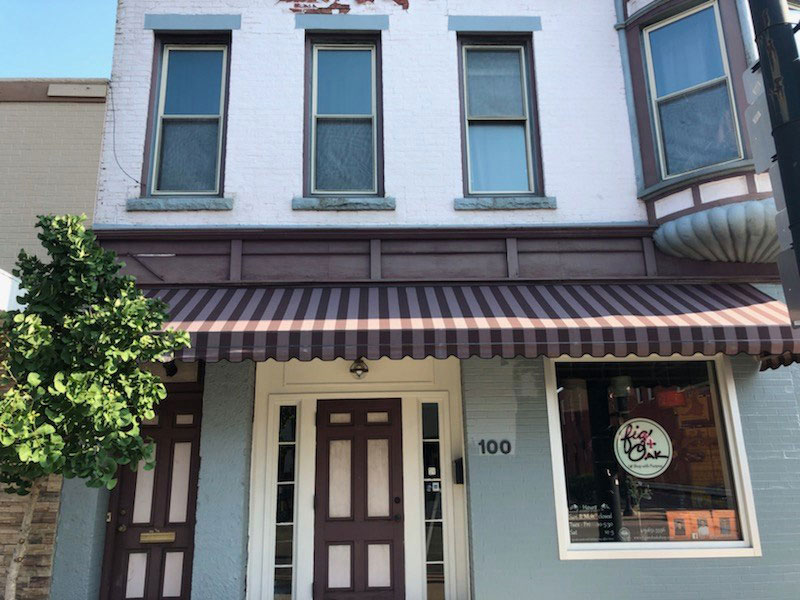
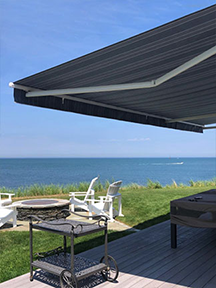
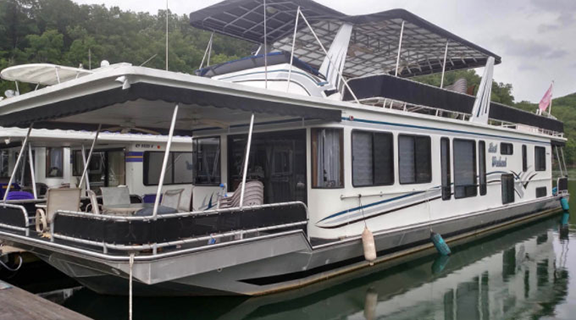
Awning fabrication is one of the main applications for acrylic fabric bonding. A commercial awning stays under UV and rain load for years before it is replaced, and sewn seams often show thread fade and needle hole leaks long before the fabric itself fails, which leads to customer callbacks and warranty claims.
Bonded seams address both failure modes. The awning keeps sealed seams through its service life, the fabricator handles fewer callbacks, and seam quality becomes a selling point when bidding commercial projects. See how four Miller Weldmaster machines transformed production at Lehr Awning in our acrylic awning case study.
マリンキャンバスとボートカバー
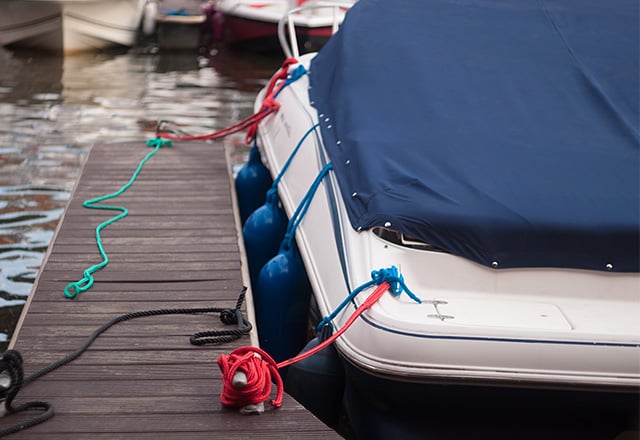
マリン用途では、オーニング用途がすでに直面している紫外線や湿気への曝露に加え、塩水や絶え間ない伸縮が加わります。こうした環境下では、他のいかなる環境よりも糸の劣化が加速します。紫外線が強く、塩分を含んだ飛沫が飛ぶ環境では、縫製されたマリン用キャンバス製品は、たった1シーズンのボート利用で縫い目から水が漏れるようになる可能性があります。
Bonded seams maintain watertight integrity across the flex cycles and chemical exposure that marine environments impose. Bimini tops, boat covers, and dodgers are the most common marine products where fabricators make the switch from sewing to bonding — and where the quality difference is most visible to the end customer.
アウトドア・レジャーと家具
パティオ用家具カバー、パラソルの天幕、屋外用クッションカバーは、オーニングと同様に紫外線や湿気にさらされますが、さらに消費者が直接目にする美観面での要件も求められます。縫い目は目立つものです。高級な屋外用家具製品の縫い目には、糸の褪色や縫い目の不揃いが見られ、実際に縫い目がほつれていなくても、購入者に品質上の問題があるという印象を与えてしまいます。
接着縫い目は見た目がすっきりとしており、縫い目が目立たず、糸の変色もありません。アウトドアレジャー市場のプレミアムセグメントで製品を展開するメーカーにとって、接着縫い目の美観上の利点は、構造上の利点と同様に商業的に重要な意味を持ちます。
特殊産業用途
Beyond traditional outdoor and marine applications, acrylic fabric bonding serves filtration bags, protective covers, and custom industrial enclosures where chemical resistance and seam integrity under mechanical stress are non-negotiable requirements. In these applications, a sewn seam is often disqualified from the specification outright — the perforation risk is incompatible with the containment requirement. Bonded acrylic seams provide the fully sealed surface these applications demand.
Choosing the Right Machine for Acrylic Fabric Bonding
お客様の業務に適した機械は、3つの要素によって決まります。それは、1シフトあたりの生産量、製品に必要な縫い目の形状、そして使用するアクリル生地の重量です。以下の表は、これらの要素Miller Weldmaster 機械のカテゴリーを対応させたものです。これは、アプリケーションスペシャリストとの話し合いの出発点としてご活用ください。最終的な仕様決定ではありませんので、あらかじめご了承ください。
Match the Machine to Your Production Volume
小規模生産および小規模工房での運営
For shops bonding shorter runs, varied seam geometries, or a wide mix of acrylic products, impulse welding is typically the right starting point. The lower capital cost matches the production profile, and the flexibility to handle different seam lengths without major setup changes suits shops where no two jobs are identical.
Output profile: impulse machines handle seam lengths from a few inches to several feet, with cycle times that match manual-feed production paces. The key process variable is dwell time — the duration of the heat pulse. Getting that right for your specific tape and fabric combination is a one-time calibration that then produces consistent seams across the run.
中規模のオーニング・マリン製品メーカー
Awning shops and marine canvas fabricators producing at mid-volume — regular production schedules, consistent fabric weights, and long continuous seam requirements — are the natural fit for hot air and hot wedge welding machines. Continuous seam production at consistent speeds is where these machines outperform impulse alternatives on a cost-per-linear-foot basis.
The T300 Extreme and 112 Extreme are Miller Weldmaster's purpose-built solutions for this production profile. Both are calibrated for acrylic bonding — the temperature range, pressure systems, and feed mechanisms are designed for the lower heat requirements and precise speed control that acrylic fabric demands.
大量生産および自動化生産ライン
Manufacturers producing at scale — where the cost of machine downtime and seam rework is measured in production hours, not individual jobs — need machines with higher throughput and automation capability. High-speed hot air and hot wedge machines and automated bonding systems address that requirement.
The Triad Extreme and Miller Weldmaster's custom automation options serve this segment. The focus at this production level is not just machine capability but system integration: how the bonding station fits into the broader production line, what upstream and downstream handling looks like, and how quality control is built into the process rather than applied after it.
アクリル接着における一般的な不具合 — およびその防止策
アクリル接着は、工程パラメータが適切に設定されていれば、常に強固な接合部が得られます。しかし、設定が不適切な場合、不具合の原因はほぼ必ず次の3つの根本原因のいずれかに帰着します。すなわち、熱が過剰であること、圧力が不十分であること、あるいは生産工程全体を通じて設定にばらつきがあることです。これらの不具合はすべて、予防が可能です。
Failure Mode 1: Surface Glazing or Scorching
Surface glazing occurs when the temperature setting is too high for the specific acrylic fabric being bonded. Acrylic coatings — particularly the solution-dyed finishes used on premium awning and marine canvas — are sensitive to excess heat. Glazing affects both seam appearance and bond strength, because the adhesive on the tape may over-activate and lose structural integrity before the seam is set.
Prevention: Run a test seam at the lower end of your temperature range before committing to a production run on any new fabric lot. If glazing appears, reduce temperature before increasing speed. Slower speed at a lower temperature is consistently more reliable than faster speed at a higher one for acrylic materials.
Failure Mode 2: Peel Failure at the Seam Edge Due to Surface Energy
Edge peel is the result of insufficient pressure during bonding, or adhesive tape that was not fully seated within the seam allowance before heat was applied. The center of the seam may bond correctly while the edges lift — a failure that becomes visible immediately on peel testing or, worse, in the field after installation.
Prevention: Verify tape placement before feeding material through the machine. Confirm pressure roller settings are within the recommended range for the fabric weight. After the first seam of any production run, conduct a 10-minute peel test — pull the seam apart by hand at the edge — before continuing. If the edge peels cleanly, adjust before proceeding.
Failure Mode 3: Bonding Inconsistency Across a Production Run
Run-to-run inconsistency is the hardest failure mode to diagnose because individual seams may look acceptable while aggregate seam strength varies. The two most common causes are machine settings that drift over a long production run — particularly temperature, which can creep as the machine reaches thermal equilibrium — and fabric lot variation, where different coating weights or acrylic blends require different parameter settings.
Prevention: Calibrate machine settings at the start of each shift, not just at initial setup. When switching to a new material lot, treat it as a new material — run a test seam and validate before full production. Sample seam strength testing throughout a run (not just at the beginning) catches drift before it becomes a quality issue. Miller Weldmaster's service and training programs cover production calibration protocols for each machine model.
左記のリストにご希望の生地がない場合は、お問い合わせの上、生地溶接のご要望をお聞かせください。