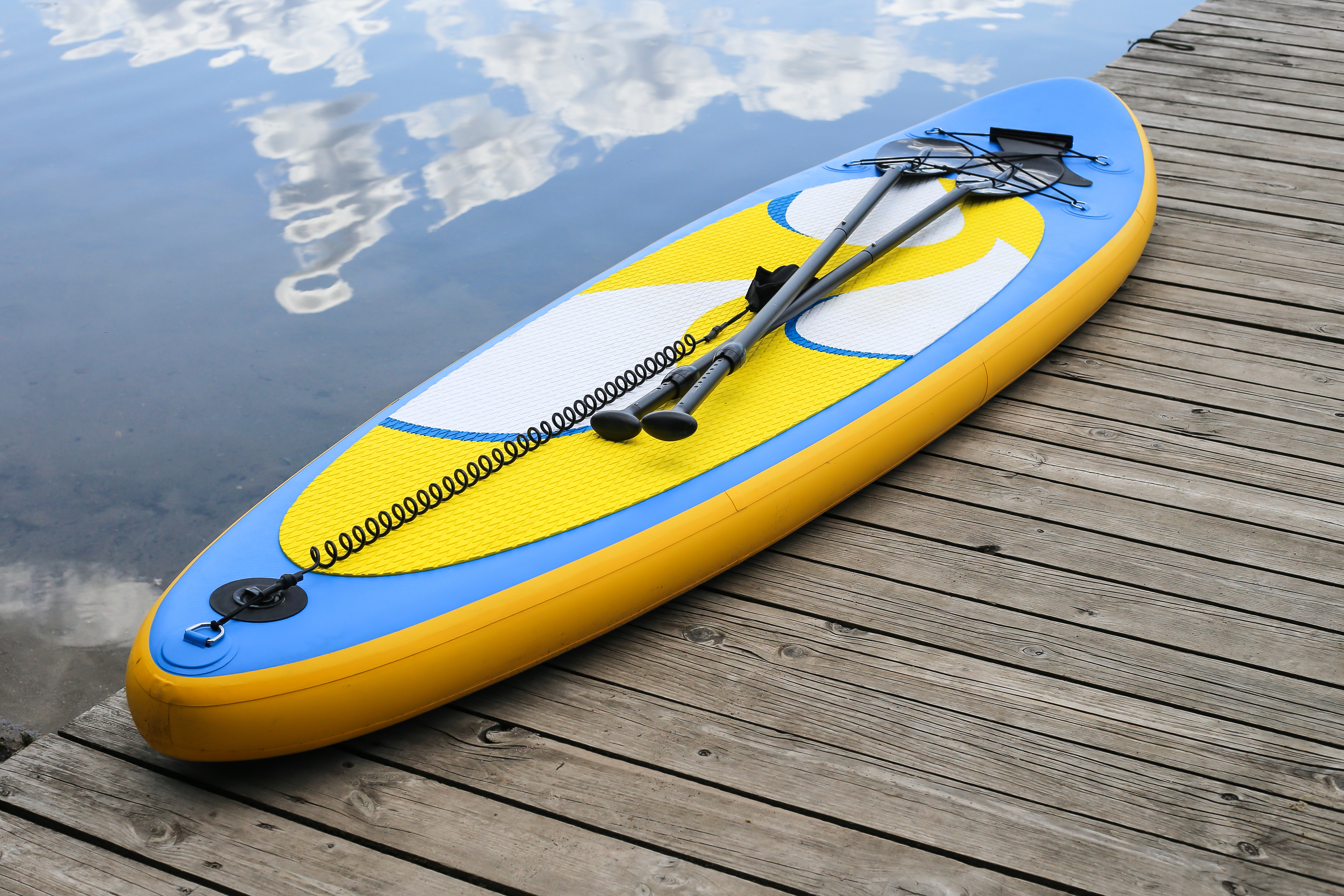
Thermoplastic welding has become an essential manufacturing process for industries that demand durable, airtight, and watertight seams in flexible plastics. From industrial tarps and inflatables to medical packaging and roofing materials, the demand for strong thermoplastic seams continues to grow.
Miller Weldmaster 、熱可塑性プラスチック溶 接技術の習得において、50年以上にわたって世界中の エンジニア、加工業者、製造業者を支援してきました。他の接合方法に対する熱可塑性樹脂溶着の主な利点のひとつは、歪みを最小限に抑えながら、きれいで丈夫な信頼性の高い継ぎ目を作ることができるため、多くの産業用途に適していることです。本書は、熱可塑性プラスチックの溶 接を初めて行う方、または溶接技術を向上さ せたいと考えている方に最適な、基本的な事項 を解説しています。
このガイドの内容:
- What thermoplastic welding is and why it matters
- Heat, pressure, and time
- Key thermoplastic welding techniques
- Choosing the right thermoplastic material
- Best practices for strong welds
- Heat sealing vs. welding
- Welding thermoplastics in high-volume production
- よくある質問
熱可塑性樹脂溶接とは何か?
熱可塑性プラスチックは、熱を加えると柔らかく成形可能になり、冷えると再び固まる素材であるため、永久的なシーム接着に最適である。
金属に比べ、熱可塑性プラスチックは優れている:
-
軽量性能
-
耐腐食性
-
柔軟性と耐疲労性
-
生産コストの低減
- 優れた耐薬品性(特にポリプロピレン(PP)の場合、タンクや配管システムなどの腐食性環境での用途に最適)
| プロパティ | 熱可塑性プラスチック | 金属 |
|---|---|---|
| 耐食性 | 高い | コーティングなし |
| 耐疲労性 | 高い | ミディアム-ハイ |
| 設備費 | 低い | 高い |
| 溶接性 | 高い(正しい方法で) | 高い(スキルが必要) |
| 耐薬品性 | 優れている(特に腐食環境用PP) | 可変 |
対象業界:テント、防水シート、インフレータブル、屋根、農業、医療用包装。
熱可塑性材料の溶接の利点
-
丈夫で気密性の高い縫い目- 屋外や高圧用途に最適。
- 高品質の溶接- 正確な熱の加え方と一貫した接合により、強力で耐久性のある接合部を実現します。
-
金属溶接のセットアップに比べて設備コストが低い。
-
エネルギー効率に優れたボンディング- 熱や電力が少なくて済む。
-
軽量でありながら耐久性に優れ、重量を増やすことなく構造的完全性を維持。
例トラック用防水シートの熱風溶接は、高速道路での長年の使用に耐える安定した継ぎ目を生み出します。
Heat, Pressure, and Time: The Three Factors in Every Weld
Every method of welding thermoplastics comes down to three factors:
- Heat: Each thermoplastic melts within a certain temperature range. The surfaces must reach that range but stay below the point where the material starts to degrade.
- Pressure: Once the surfaces have melted, they are pressed together until they cool, so the molecules of both layers mix into one seam.
- Time: Each material needs a certain amount of time to melt and to cool. Welding speed or dwell time controls how long the heat is applied.
Getting all three right for your material is what makes a strong, consistent seam.
知っておくべき主な熱可塑性樹脂溶接技術
熱可塑性プラスチックの材質、厚さ、最終用途に 応じて、いくつかの溶接法を使用することができる。熱可塑性プラスチックの種類によっ て溶接技術が異なるのは、溶接プロセスや最終 結果に影響する材料特性がそれぞれ異なるためであ る。
| 方法 | 理想的な素材 | 厚さ範囲 | 精密水準器 | スピード |
|---|---|---|---|---|
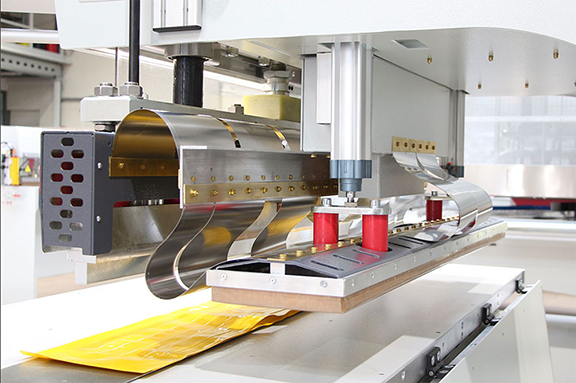
| 熱風溶接 | PVC、TPU、ビニール | 中厚 | 高い | 高い |
| インパルス溶接 | PE、PP、薄膜 | 薄い | 非常に高い | ミディアム |
| ホットウェッジ溶接 | ジオメンブレン、ルーフィング | 厚い | 高い | 高い |
| RF溶接 | PVC、TPU | シン・ミディアム | 高い | ミディアム |
熱風溶接:業界標準
Uses a controlled stream of heated air and pressure to fuse materials. Best for PVC and polyethylene welding, coated fabrics, and films, on straight seams, curves, and many seam types. No welding rod or filler is used.
Learn about hot air welding.
インパルス溶接:薄くてデリケートなプラスチックの精密溶接
抵抗加熱とクランプ圧力を使用して正確な溶接部を形成し、ポリプロピレン生地や医療用フィルムの溶接に最適。
インパルス溶接について詳しくはこちら。
その他の溶接方法
-
Hot Wedge Welding – for heavy-duty, thick thermoplastics like geomembranes, and for long, straight seams at high speed.
-
RF Welding – excellent for polar plastics like PVC.
- Hot plate, spin, friction, vibration, laser, and ultrasonic welding – mostly used to join rigid, molded plastic parts and small components rather than fabric and film seams.
For coated fabrics and films, four methods do most of the work: hot air, hot wedge, RF, and impulse welding.
溶接に適した熱可塑性プラスチックの選択
| 素材 | 溶接性スコア | 最善の方法 | 一般的な用途 |
|---|---|---|---|
| PVC | 高い | ホットエア、RF | 横断幕、防水シート、インフレータブルボート |
| PE(ポリエチレン:LDPEおよびHDPE) | ミディアム | Hot Air, Hot Wedge, Impulse | 農業用フィルム、ライナー |
| PP | ミディアム-ハイ | Hot Air, Hot Wedge, Impulse | 包装、ろ過製品 |
| TPU | 高い | ホットエア、RF | インフレータブル製品、履物 |
注記:ポリエチレン(PE)を溶接する場合、低密度ポリエチレン(LDPE)と高密度ポリエチレン(HDPE)を区別することが重要である。この2種類は融点と構造的性質が異なる。最適な溶接強度を得るためには、接合する LDPEまたはHDPE部品の密度を常に一致させる。適合しない密度で溶接しようとすると、溶接部が破断 したり、接合部が破損したりして、アセンブリーの完全 性が損なわれる可能性がある。特に自動車、医療、電子機器などの業界では、溶 接部品の互換性と最適性能を確保するために、適切 な材料を選択することが極めて重要です。
PVC、ポリエチレン(PE)、ポリプロピレン(PP)の溶接
-
PVC: Easy to weld with hot air or hot wedge, and its polar molecular structure also makes it ideal for RF welding. PVC-laminated fabrics are common in awnings, signs, banners, tents, and ducting.
-
PE: Weld with hot air, hot wedge, or impulse welding. Match the density of both layers (LDPE to LDPE, HDPE to HDPE) and control the temperature carefully, because LDPE melts at a lower temperature. PE is common in agriculture, geomembranes, and signs.
-
PP: Weld with hot air, hot wedge, or impulse welding, always PP to PP. PP can burn if it is heated too long, so control speed and dwell time. PP-coated fabrics are common in ducting and packaging.
強くて長持ちする熱可塑性プラスチック溶接のベストプラクティス
チェックリスト
-
接着を最適化するために、表面を十分に洗浄し、適切な表面処理を行うこと。
- 特に繊細な用途では、作業環境を清潔に保つことで、汚染を避ける。
-
Match temperature to material.
- 温度、圧力、滞留時間などの溶接パラメータを監視および制御し、一貫した結果を得る。
-
適切な圧力と滞留時間をかける。
-
Use compatible materials.
-
本生産前に溶接サンプルをテストする。
- 高品質で安定した溶接を実現するには、熟練したオペ レーターが不可欠であるため、オペレーターが適切な 訓練を受け、認定を受けていることを確認すること。
- ある種のパラメータは溶接品質に不可欠であ り、注意深く管理されなければならないことを認 識する。
避けるべき一般的な間違い:過熱、加圧不足、汚れた表面の溶接、表面処理の怠り、溶接パラメーターの管理の失敗。
ヒートシールと溶接:その違いは?
| 特徴 | ヒートシール | 溶接 |
|---|---|---|
| 最適な用途 | 包装用フィルム | 構造の継ぎ目 |
| ボンド強度 | ミディアム | 高い |
| スケーラビリティ | 短距離走行に最適 | 連続運転用高 |
Welding Thermoplastics in High-Volume Production
In high-volume production, the big advantage of welding is consistency. Automated welders hold heat, speed, and pressure steady from the first seam to the last, so quality doesn’t depend on each operator. That means fewer defects, less rework, and seams that come out the same across shifts.
- Automation: Programmable settings, saved material recipes, and automated material handling cut manual work on long runs.
- Speed: Continuous methods like hot air and hot wedge welding produce long seams quickly.
- Room to grow: Modular systems let you add automation as volume grows instead of replacing the line.
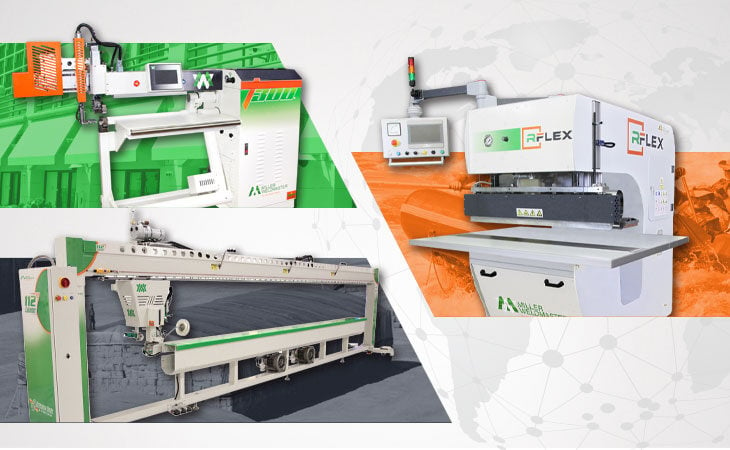
See Miller Weldmaster’s custom automated fabric welding machines.
Miller Weldmaster 熱可塑性樹脂の溶接を成功に導く方法
For over five decades, Miller Weldmaster has provided industrial plastic welding tips, equipment, and service for a range of applications. From heat sealing thermoplastics to large-scale production automation, our machines are designed for durability, consistency, and flexibility, with the possibility of scaling up and automating thermoplastic welding processes to meet growing industry demands.
Not sure which method fits your material? Talk to a Miller Weldmaster expert, or send us a sample and we’ll test it on our machines.
関連ガイド
熱可塑性樹脂溶接に関するよくある質問
熱可塑性樹脂の溶着は何に使われるのですか?
強度と耐久性が重要な産業、医療、消費財のプラスチック部品の接合。熱可塑性プラスチック溶着は、最適な接合強度と互換性を確保するため、これらの分野の部品接合に一般的に使用されています。
溶接しやすい熱可塑性プラスチックは?
PVCとTPUは極性分子構造のため、一般的に最も簡単である。
熱風溶接とインパルス溶接の違いは?
熱風は連続的な加熱気流を使用し、インパルスは圧力をかけながら時間差で電気加熱する。
ポリエチレン(PE)は溶接できますか?
Yes. PE films and coated fabrics can be welded with hot air, hot wedge, or impulse welding. Match the density of both layers (LDPE or HDPE) and control the temperature carefully.
熱可塑性樹脂の溶接に必要な温度は?
It depends on the material, its thickness, the welding method, and the speed. Start from your machine’s settings for that material and test a sample before production.
熱可塑性樹脂の溶接の強度を確保するには?
表面を洗浄し、温度を材料に合わせ、適切な圧力と滞留時間をかける。
熱可塑性樹脂の溶着は、接着剤による接合よりも強いのですか?
ほとんどの構造用途において、Yウエルドは分子レベルの結合を提供する。
PVCとポリプロピレンを溶接できますか?
両者は融点も極性も異なるため、接着剤なしでは相容れない。
医療用プラスチックフィルムの溶着に最適な方法は?
インパルス溶接で精度を高め、熱歪みを最小限に抑える。
熱可塑性樹脂の溶接は、屋外の条件下でどのくらいもちますか?
It depends mostly on the material and its UV resistance. Use UV-stable, outdoor-grade materials, weld with the right settings, and test seams before production.